Lithium batteries are now central to energy storage systems, electric vehicles, utilities infrastructure and industrial operations. As adoption accelerates across the UK, the importance of compliant lithium battery recycling and structured lithium battery disposal processes continues to grow.
While these assets are designed for durability, faults can occur during daily operation. Abnormal temperature readings, swelling, physical damage, electrolyte leakage, unexpected shutdowns or performance instability may all indicate that a lithium battery asset is no longer safe for continued use.
In large-scale applications such as grid storage or EV fleets, even a single compromised module can present significant operational, environmental and compliance risk. For operators, the immediate concern is not only safety, but also identifying the correct and legally compliant route for lithium battery disposal and lithium battery recycling.
When a Lithium Battery Asset Becomes Faulty: Legal Responsibilities
In the UK, once a lithium battery is deemed unsafe, damaged or beyond economic repair, it is classified as hazardous waste. This classification activates strict legal requirements governing lithium battery disposal and onward lithium battery recycling¹.
Operators must ensure that:
• The battery is safely isolated and segregated from other assets
• A suitable risk assessment is documented
• Storage arrangements minimise fire and escalation risk
• Transfer is conducted by a licensed hazardous waste carrier
• The receiving facility is authorised to undertake lithium battery recycling
Improper lithium battery disposal or transferring batteries to an unpermitted contractor does not remove liability from the waste producer. Duty of Care remains with the organisation until the battery reaches a legally authorised lithium battery recycling facility.
For high voltage packs, utility-scale systems or damaged EV batteries, additional compliance considerations apply, including:
• ADR compliant transport arrangements
• UN approved packaging
• Dangerous Goods documentation
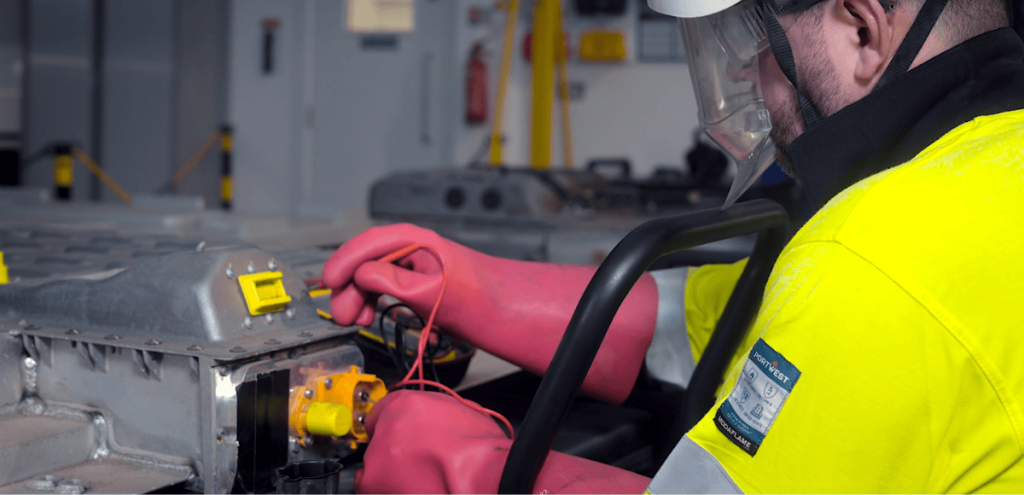
• Qualified personnel overseeing removal
Failure to follow these legal requirements for lithium battery disposal may result in regulatory enforcement, insurance complications and reputational damage. In serious cases, unsafe lithium battery handling can lead to fire incidents and environmental harm.
Storage Risks Prior to Lithium Battery Disposal
Before lithium battery recycling can take place, faulty or end-of-life batteries are often held temporarily on site. This storage phase carries its own risks.
Damaged lithium batteries can enter thermal runaway if not correctly isolated. Internal short circuits, residual charge or compromised cell integrity may cause delayed ignition. Without appropriate segregation, fire-rated containment and monitoring, storage of unstable batteries can escalate quickly.
This is why compliant interim storage arrangements form a critical part of responsible lithium battery disposal planning. Storage must align with hazardous waste regulations and fire risk guidance, ensuring that lithium battery recycling is preceded by safe containment and documented risk control.
What Qualifications Should a Lithium Battery Recycling Partner Have?
Selecting the right provider for lithium battery disposal is not simply a logistics decision. It is a compliance and risk management decision.
Operators should verify that any lithium battery recycling partner holds:
• Environment Agency environmental permits
• Approved Battery Treatment Operator status
• Waste Carrier’s Licence
• Dangerous Goods Safety Advisor oversight
• High voltage authorised engineers for dismantling
• Documented downstream lithium battery recycling routes
Specialist capability is particularly important where batteries show signs of instability or have been involved in operational incidents. Lithium battery disposal is not a general waste service. It requires technical expertise, compliant transport and traceable lithium battery recycling processes.
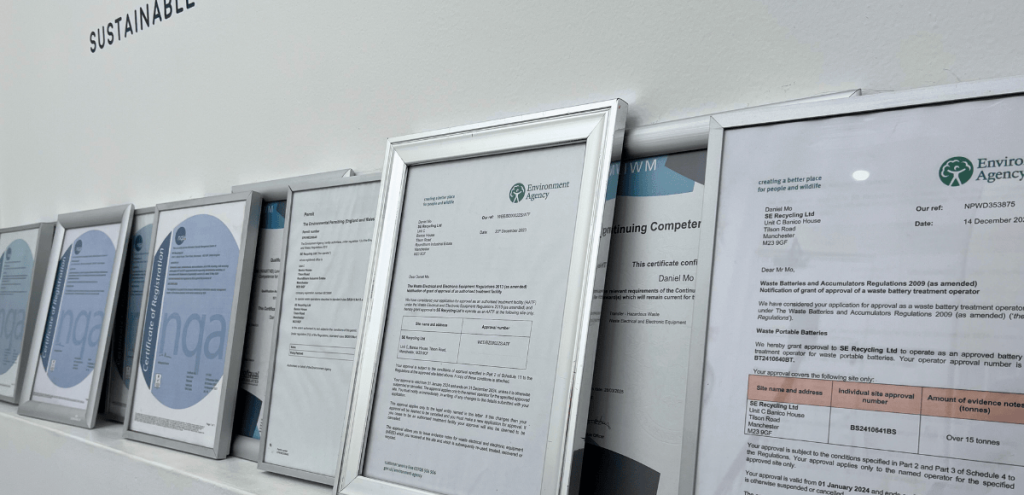
A Structured and Compliant Lithium Battery Recycling Solution
For operators in the energy, EV and utility sectors, selecting the right partner for lithium battery disposal ensures regulatory protection and operational continuity.
Cellcycle operates nationwide to provide compliant lithium battery recycling solutions across the UK. As part of the SER Group, which has established itself as one of the UK’s leading recycling organisations, our services are aligned fully with regulatory requirements and industry standards.
We provide:
• ADR compliant logistics for damaged and end-of-life batteries
• Specialist on-site technical support and decommissioning
• Secure, licensed storage capacity for high voltage assets
• Approved lithium battery recycling routes
• Detailed reporting including state of health and condition assessments
Our permitted facilities, qualified engineers and in-house Dangerous Goods Safety Advisor ensure that lithium battery disposal is conducted safely, legally and efficiently from collection through to final lithium battery recycling.
When lithium battery assets show signs of failure or instability, having a compliant lithium battery disposal partner in place protects your operations, your people and your regulatory position.
Lithium battery risk is manageable with the right expertise. A structured and fully compliant lithium battery recycling route ensures that even compromised assets are handled responsibly, sustainably and in line with UK legislation.